How to Clear a Blocked Drain at Home (and When to Call a Plumber)
Hot tap water, a plunger and a small drain tool clear most simple blockages. This guide covers every kind of blocked drain in the house and yard, what works, what does not and when to call a plumber.
Get your free quote
Tell us what is blocked and where. We reply with a price before any work starts.
Free and no obligation. We only use your details to reply about this job.
Written by the GC Blocked Drains teamGold Coast drain plumbers. Last updated 15 October 2026. 15 minute read.
How do you know your drain is blocked?
A fully blocked drain is obvious. A partly blocked drain is easy to miss, and it is the stage where a small fix still works. Watch for these signs.
Water drains slowly from a sink, shower, bath or laundry tub
Gurgling or bubbling when water runs or a toilet is flushed
A sewer smell from a drain, or from the yard near the house
Water pooling around a floor drain or gully
A toilet that rises in the bowl, or flushes weakly
Water coming up in one fixture when you use another
Puddles that stay in the yard long after rain stops
The earlier you act on a slow drain, the simpler the fix. A drain that has been slow for months usually has a thick layer of build up that a plunger will not shift.
Is it one drain or the whole house?
Before you pick a method, work out where the blockage sits. The pattern tells you more than the symptom.
What you notice
What it usually means
What to do next
One sink or basin is slow
Blockage in the trap or the pipe just below that fixture
If you are unsure, run water in each fixture one at a time and watch the others. If another drain gurgles or rises, the blockage is shared.
What causes a blocked drain?
Most blockages start small and build over months. The common causes fall into three groups.
Inside the house
Hair and soap scum block showers and basins. Grease, oil and food scraps block kitchen sinks. Too much toilet paper, wipes, cotton buds and nappy liners block toilets. Laundry lint and hair block laundry tubs. Grease is the sneaky one: it goes down hot and runs freely, then cools and sticks to the pipe wall.
Outside the house
Leaves, palm fronds, bark, sand and silt wash into yard drains and stormwater pits. Heavy rain moves a lot of material in a short time. Roots are the other big cause. They grow into pipe joints looking for water and nutrients, then catch paper and grease until the pipe closes.
In the pipe itself
Older clay pipes have many joints. Pipes can crack, sag or shift when the ground moves. A pipe with too little slope holds water and waste instead of carrying it away. These faults cause blockages that keep coming back, whatever you pour down the drain.
What you need before you start
Most simple blockages can be cleared with a few basic items. You do not need to buy specialist gear.
Rubber gloves and old towels or a bucket
A flat bottom plunger for sinks and showers, and a flanged plunger for toilets
A small barbed plastic drain tool for hair
A bucket and a jug for hot tap water
A wet vacuum, if you have one, for stubborn sink blockages
A torch to look into the drain
How to clear a blocked kitchen sink
Remove everything from the sink and bail out standing water into a bucket.
Check the plug hole. Pull out any food scraps you can see.
Run hot tap water for a minute to soften grease.
Block the overflow hole with a wet cloth, then place a flat plunger over the plughole with enough water to cover the cup.
Push down and pull up firmly about ten times, then break the seal.
If the water starts to move, run hot water for a few minutes to flush the loosened material.
If it stays slow, unscrew the trap under the sink (the U shaped bend) over a bucket and clean it out.
Kitchen blockages are mostly grease and food. If the trap is clean and the sink is still slow, the blockage is further along the pipe. That is the point to stop and get a plumber, because grease build up needs jetting, not plunging.
How to unblock a shower, bath or basin
Remove the grate or plug. Hair is almost always the cause.
Pull out the hair with a barbed drain tool or gloved fingers. Expect it to be unpleasant.
Run hot tap water for a minute.
Use a plunger over the drain with the overflow blocked, about ten pushes.
Refit the grate and run the shower for a few minutes to test.
If water still pools, the blockage is below the trap or in a shared line. See our guide to blocked shower drains for what we do in that case. A mesh hair catcher stops most of the problem.
How to unblock a toilet
Stop flushing. Put towels on the floor.
Use a flanged toilet plunger. Make sure the cup covers the outlet and has enough water to stay submerged.
Push gently first to push air out, then plunge firmly for 15 to 20 seconds.
Break the seal and see if the water drops. Repeat a few times.
Pour a bucket of warm water slowly into the bowl from waist height. If it drains, the blockage is clear.
If the water has not moved after a few good attempts, or if the toilet blocks again within days, stop. A toilet that keeps blocking usually has a problem in the drain behind it. Our blocked toilet plumbers clear the toilet and the line.
How to clear a laundry or washing machine drain
Laundry drains block with lint, hair and detergent residue. Pull the washing machine hose out of the standpipe and look for lint. Use a barbed tool to pull out any plug at the top of the pipe. Run hot tap water, then test with a small wash. If the standpipe overflows during the spin cycle, the pipe below is narrowed and needs cleaning with a machine.
How to clear a blocked outside or stormwater drain
Lift the grate and scoop out leaves, bark and silt by hand with gloves.
Look into the pit. If water sits in it and does not drain, the pipe behind it is blocked.
Clear the area around the pit so debris does not wash straight back in.
Check downpipes and gutters. A full gutter sends leaf litter straight into the stormwater drain.
Do not push a hose down the pipe. It often packs the blockage tighter.
If the pit refills with water after you clean it, the pipe is blocked or damaged. That is a job for stormwater drain cleaning. It is best done before the wet season, not during a storm.
Home remedies: what works and what does not
Search results are full of home remedies. Some help a little. Some do harm. Here is an honest rundown.
Remedy
Does it work?
What to know
Hot tap water
Helps with light grease
Safe for all pipes. Not enough for a solid blockage
Boiling water
Risky
Can soften or crack plastic pipes and traps, and crack porcelain
Bicarb soda and vinegar
Barely
The fizz can loosen light residue near the top. It will not clear hair or a solid blockage
Dishwashing liquid and hot water
Sometimes
Can help grease move. Better for light kitchen build up
Salt, lemon or cola
No
Little or no effect on a real blockage
Wire coat hanger
Sometimes
Pulls out hair near the top. Can scratch pipes or push a blockage further in
Plunger
Yes
The best first tool for sinks, showers and toilets
If a remedy has not worked after one or two honest tries, move on. More rounds of the same thing will not change the result.
When to stop and call a plumber
More than one drain is slow or blocked
A toilet is blocked and a plunger has not cleared it
The same drain blocks again within weeks
You can smell sewage inside or outside the house
Gurgling comes from drains when you use another fixture
Water or waste is coming up in a shower or floor drain
The overflow gully outside is flowing
A stormwater pit stays full after rain stops
You suspect tree roots, or the pipes are older clay
Trying to force a stubborn blockage often makes it worse. A cracked trap, a damaged joint or a packed blockage costs more to fix than the original job would have.
What a plumber does that you cannot
A plumber works from the cause, not just the blockage.
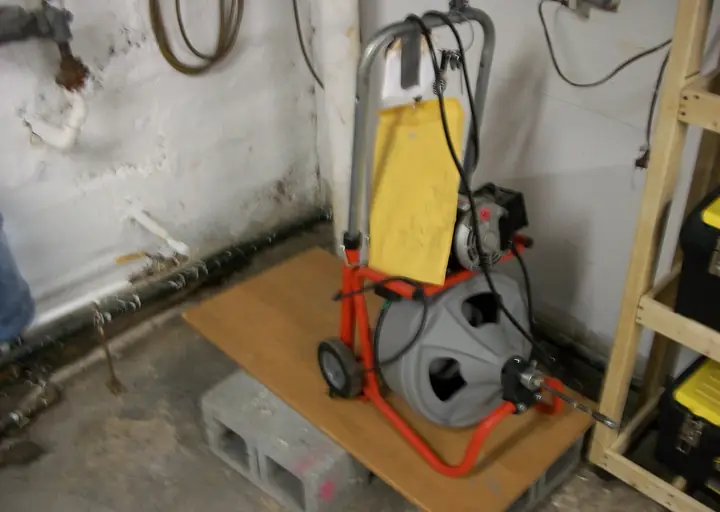
A drain machine pushes a rotating cable through the pipe and cuts through the blockage, including hair, roots and packed paper.
A water jetter washes the full pipe wall with high pressure water, removing grease, silt and scale. See hydro jet drain cleaning.
A drain camera looks inside the pipe so you can see roots, cracks, sagging sections and joint damage.
Experience tells a plumber whether the fix is a clear, a clean or a repair, and how long it should last.
Who is responsible for a blocked drain in Queensland?
Who pays and who arranges the fix depends on where the blockage sits and who lives there.
Situation
Usually responsible
Notes
House you own, blockage inside your boundary
You, the owner
The pipes on your property are generally yours
Blockage in the council sewer main in the street
City of Gold Coast
Contact the council if the main is blocked
Rental house or unit
The lessor, unless the tenant caused the damage
Tell your property manager first. Check the RTA guidance
Unit or townhouse in a strata scheme
Depends on the pipe
Pipes serving more than one lot are usually common property. Check your strata records
Stormwater drain on your block
You, the owner
Street and public drains belong to the council
Blockage caused by something a tenant flushed
Often the tenant
A plumber can often explain what caused it
If you are not sure where your responsibility ends and the council begins, ask the City of Gold Coast or have a plumber check the line. Only a licensed plumber should alter, repair or replace pipes in Queensland.
How to stop drains blocking again
Area
What to do
How often
Kitchen
Scrape plates into the bin. Pour used cooking oil into a container, not the sink. Use a sink strainer
Every day
Shower and basin
Use a mesh hair catcher and empty it
After each shower
Toilet
Flush only toilet paper and human waste. Bin wipes, cotton buds and dental floss
Every day
Laundry
Fit a lint filter on the washing machine outlet
Clean monthly
Gutters and yard drains
Clear leaves and debris from gutters, grates and pits
Before the wet season, and after big storms
Trees close to pipes
Keep large roots in mind when planting. Ask a plumber for a camera check if blockages repeat
Every year or two if you have big trees
All drains
Run hot tap water down little used drains
Monthly
Wipes sold as flushable are one of the biggest causes of blocked toilets and sewer lines. They do not break down like toilet paper.
Blocked drains on the Gold Coast: what is different here
Drains work harder on the Gold Coast than in most places. Heavy summer rain, typically between December and March, floods stormwater pits with leaves and sand. Sandy soil moves easily and silts up pipes. Many older homes in established suburbs such as Southport and Ashmore still have clay pipes that roots have found. Canal suburbs like Mermaid Waters sit on low, flat land with a high water table, which slows drainage. Newer estates around Coomera and Helensvale have plastic pipes that cope with roots better, though building debris left in new lines can still block them.
The practical advice is simple. Clear your outside drains in spring, keep wipes out of toilets, and ask for a camera check if the same drain blocks twice.
Typical job scenarios
These are typical scenarios, based on the kinds of blockages we see across the Gold Coast. They are written as worked examples and are not named customer jobs.
Typical scenario
A slow kitchen sink that a plunger fixed
The situation
A household noticed the kitchen sink draining slowly over a few weeks. Cooking oil and food scraps went down the sink most days.
What we look for
Only that sink was slow. The bathroom and laundry drained normally, which pointed to a local blockage in the trap or the first section of pipe.
What fixes it
Hot water, a plunger and cleaning out the trap cleared it. No plumber was needed.
What to take from it
A single slow fixture is often a simple job. Keeping oil out of the sink and using a strainer stops it coming back.
Typical scenario
A toilet that kept blocking in an older home
The situation
A toilet in a house built decades ago blocked three times in a month. A plunger helped each time, then it blocked again.
What we look for
A drain camera showed fine roots entering a pipe joint under the yard. Paper was catching on them, and the pipe was narrowing.
What fixes it
The line was cleared with a machine, then cleaned with a water jetter. The camera footage showed the joint, and the owner was advised that the roots would return unless the pipe was repaired.
What to take from it
A repeat blockage means a cause is still in the pipe. Clearing the toilet is not the same as fixing the drain.
Typical scenario
A flooded yard after a summer storm
The situation
After heavy rain, water sat against the back wall of a house for hours. The yard drain looked fine from above.
What we look for
The stormwater pit was half full of sand and palm fronds. Water was not leaving through the pipe behind it.
What fixes it
The pit was emptied by hand, then the pipe was cleared with a water jetter until it ran freely.
What to take from it
Pits and grates need clearing before the wet season. It takes a fraction of the effort of cleaning up after a flood.
Remove what you can see, run hot tap water, then use a plunger or a small barbed drain tool. For a sink, clean out the trap under the bench. If the water still will not move after two or three honest attempts, the blockage is deeper and needs a drain machine or jetter.
A plunger is the fastest safe method for a sink, shower or toilet. Cover the overflow, make sure the cup is under water, and push and pull firmly about ten times. If the drain does not start moving, stop and call a plumber instead of trying stronger measures.
Hair, soap and food scraps can build up for weeks without much smell. The smell comes later, as organic material breaks down. A drain that is slow but not smelly is still partly blocked and should be cleared before it stops.
Gurgling means air is being pushed through water in a partly blocked pipe. If it happens in one fixture, the local trap or pipe is narrowing. If it happens in several drains, or when you flush a toilet, the main line is likely partly blocked.
It fizzes and can loosen light residue near the top of the drain. It does not dissolve hair, solid food or a packed blockage. It is harmless to pipes, but do not expect it to fix a drain that has stopped.
Not in most homes. Boiling water can soften or crack plastic pipes and traps, and it can crack porcelain basins and toilets. Hot tap water is the safer choice.
You can, but it is rarely the best choice. Chemicals reach only the top of a blockage, can damage older pipes, and are a hazard for anyone who has to work on the drain afterwards. Never mix products. Read our guide on drain cleaner or plumber.
Repeat blockages in the same pipe, slow toilets and showers together, gurgling from several drains and older clay pipes are the common signs. A drain camera shows roots directly, which is the only sure way to confirm it.
A repeat blockage means something is still in the pipe. Roots, a cracked or sagging section, grease build up and too little slope are the usual causes. Clearing the blockage treats the symptom. A camera inspection finds the cause.
A simple sink or shower can take minutes with a plunger. A plumber can often clear a single household drain in under an hour once on site. Long runs, outside drains, heavy build up and jetting take longer.
The cost depends on where the blockage is, how easy the access is and what equipment is needed. A blockage near a fixture is the lower cost job. A blocked sewer line, jetting or a camera inspection costs more. We give a free quote and agree the price before any work starts.
It is urgent if sewage is coming up inside the house, a toilet is overflowing and you have no other, or the overflow gully outside is flowing. Stop using water and get help straight away. A slow sink or shower can wait a day or two, but it will not get better by itself.
In Queensland the lessor is generally responsible for keeping the property in good repair, including plumbing, unless the tenant or their guests caused the damage. Tell your property manager first, and check the Residential Tenancies Authority guidance for your situation.
Most homes do not need a schedule. Clear a drain when it slows, smells or blocks. Clean outside drains and gutters before the wet season. If a drain blocks more than once or twice a year, ask for a camera check.