GC Blocked Drains

Drain guide

Drain Cleaner or Plumber: What Actually Works?

Should you reach for a bottle of drain cleaner or call a plumber? This guide explains how cleaners work, where they fail, what they risk and which method suits which blockage.

Get your free quote

Tell us what is blocked and where. We reply with a price before any work starts.


    Free and no obligation. We only use your details to reply about this job.

    How do chemical drain cleaners work?

    Most drain cleaners work by a chemical reaction. They are poured into the drain and left to sit, so they only reach the first part of the pipe. The type of cleaner decides what it can dissolve.

    TypeMain ingredientWhat it dissolvesMain risks
    Caustic (alkaline)Sodium hydroxide, often called caustic sodaGrease, fat, hair and soapBurns skin and eyes. Can damage some pipes. Heats up when it reacts
    AcidSulfuric or hydrochloric acidPaper, organic matter and some scaleSevere burns. Damages many pipes. Dangerous fumes
    OxidisingBleach or similarOrganic matter, light slimeFumes. Reacts dangerously with other products
    Enzyme or bacterialEnzymes and bacteriaLight organic build up, slowlySlow. Not suited to a full blockage

    Product labels vary, so always read the label for the ingredient, the pipe types it is safe for and the safety directions.

    Do chemical drain cleaners actually work?

    Sometimes, and only for the right kind of blockage. A liquid cleaner can work on a slow basin or shower where soap and a little grease are the cause. It struggles with these:

    • Hair plugs, which bind together and do not dissolve
    • Wipes, nappy liners and towels
    • Tree roots
    • Packed food or paper
    • Blockages deep in the pipe, beyond where the liquid pools
    • Pipes that are already full of standing water, which dilutes the product

    If a cleaner has not worked on the first try, a second or third round rarely changes the result. It just leaves more chemicals sitting in the pipe.

    The risks of chemical drain cleaners

    What about enzyme and bacterial cleaners?

    Enzyme cleaners use natural enzymes and bacteria to break down organic matter. They are gentler than chemical cleaners and safe for most pipes. They also work slowly, over hours or days, and only on light organic build up. They suit regular maintenance of a kitchen drain that gets a lot of grease. They will not clear a full blockage.

    DIY tools that work better than chemicals

    For most household blockages, mechanical tools are safer and more effective than liquids.

    ToolBest forLimit
    Flat plungerSinks, basins, showers, bathsDoes not reach deep blockages
    Flanged toilet plungerBlocked toiletsNot suited to a blockage far down the line
    Barbed plastic drain toolHair near the top of a shower or basin drainOnly reaches a short distance
    Hand drain snake or augerBlockages a metre or two into a pipeCan scratch pipes if forced. Awkward around bends
    Wet vacuumPulling a plug out of a sink drainNeeds a good seal and some luck

    If these tools do not clear the drain, the blockage is beyond what a householder can reach, and it is time for a plumber.

    What a plumber uses and why it works

    MethodBest forLimit
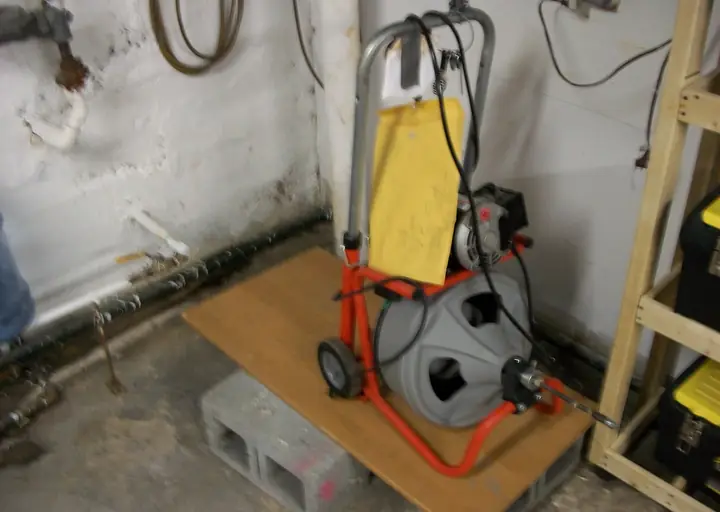
    Drain machine (cable)Hair, packed paper, soft roots, most household blockagesLeaves a layer of build up on the pipe wall
    Water jetter (hydro jetting)Grease, silt, scale, fine roots, repeat blockagesNeeds a sound pipe. Not suited to badly damaged pipes
    Drain cameraFinding the cause: roots, cracks, sags, offset jointsShows the problem. It does not clear it
    Pipe repair or reliningDamaged pipes causing repeat blockagesA bigger job. Only needed when the pipe is faulty

    Our drain cleaning and hydro jet drain cleaning pages explain how each method works, and our blocked sewer page covers main line blockages.

    Drain cleaner or plumber: a simple decision guide

    SituationTry a cleaner?Call a plumber?
    One basin or shower is slow, first timeMaybe, but a plunger and hair tool firstOnly if it stays slow
    A toilet is blockedNo. Use a plungerIf the plunger does not work
    The same drain blocks again and againNoYes, and ask for a camera check
    More than one drain is slowNoYes
    Gurgling, sewer smell or water coming upNoYes, urgently
    Outside drain or stormwater pit is fullNoYes, if the pit will not drain
    Older house with clay pipesNoYes, if blockages are frequent
    You have already used a cleaner and it did not workNo moreYes, and tell the plumber what you used

    A good rule is one honest try with the safest tools. If that has not worked, the blockage has a cause beyond the top of the pipe.

    Why repeat blockages happen

    Drain cleaners treat the symptom. A repeat blockage means the cause is still there. The common causes are tree roots growing into joints, a cracked or sagging pipe that holds water, layers of grease and scale that narrow the pipe, and a pipe laid with too little slope. A plumber with a camera can show you which one it is, and that is what makes the next blockage less likely.

    What if you have already used a chemical cleaner?

    1. Do not use a plunger. Chemical can splash back.
    2. Do not add another product or mix anything.
    3. Keep children and pets away from the drain.
    4. Wear gloves and eye protection if you need to touch the area.
    5. When you ask for a quote, tell us exactly which product you used and how long ago.

    Pipe materials and chemical cleaners

    The type of pipe changes how much risk a chemical carries. Many Gold Coast homes have a mix of materials.

    Pipe typeCommon inChemical risk
    PVC and other plasticNewer homes and renovationsHeat and strong chemicals can soften pipes, traps and joints
    Clay (earthenware)Older homes and street connectionsJoints and seals can be affected. Roots are the bigger problem
    Cast ironOlder homes and some unitsAcid can attack the metal. Scale can build up inside
    Galvanised steelOlder internal plumbingCorrodes. Strong chemicals can speed it up
    CopperWater supply pipesNot usually part of drain waste lines, but avoid chemicals in any metal fixture

    If you do not know what your pipes are made of, treat chemical cleaners as a risk.

    The real cost: cleaner or plumber?

    A bottle of cleaner looks cheaper than a plumber. The maths changes if the drain keeps blocking. Three rounds of cleaner, a damaged trap and a blockage that returns can add up to more than one visit that finds and fixes the cause. We quote every job for free and agree the price before we start, so you can compare the options properly.

    Common myths about drain cleaning

    • Myth: boiling water clears any drain. It can damage plastic pipes and does not shift hair or solid blockages.
    • Myth: stronger cleaner is better. Strength raises the risk, not the success rate.
    • Myth: flushable wipes are safe to flush. They do not break down like paper and block pipes.
    • Myth: a drain that is clear once is fixed. If the cause is still there, it will block again.
    • Myth: you can mix products for extra power. Mixing cleaners can produce toxic gas.

    Drain cleaning on the Gold Coast

    Warm weather speeds up bacteria and grease build up in drains, and heavy summer rain pushes sand and leaves into outside drains. Older homes in suburbs like Southport and Ashmore often have clay pipes and mature trees, which makes roots a common cause of repeat blockages. If a chemical cleaner has not solved the problem, a camera check is the quickest way to find out why.

    Typical job scenarios

    These are typical scenarios, based on the kinds of blockages we see across the Gold Coast. They are written as worked examples and are not named customer jobs.

    Typical scenario

    A shower drain that three bottles of cleaner did not fix

    The situation
    A bathroom shower drained slowly. The household used a liquid cleaner three times over two weeks. It improved briefly each time, then slowed again.
    What we look for
    Hair and soap had formed a dense plug in the trap and the pipe just below it. The cleaner had dissolved some soap but not the hair.
    What fixes it
    The plug was removed with a drain tool and a small machine, and the pipe was flushed with water.
    What to take from it
    Hair does not dissolve. Mechanical removal is quicker, safer and cheaper than repeated rounds of chemicals.
    Typical scenario

    A cafe kitchen drain that kept going slow

    The situation
    A small cafe kitchen drain slowed every few weeks. Staff used cleaner and hot water between visits.
    What we look for
    A thick layer of grease had built up in a long horizontal run. The drain was partly blocked all the time, with occasional full blockages.
    What fixes it
    The pipe was cleaned with a water jetter, which removed the grease from the pipe walls. A schedule of regular jetting was suggested.
    What to take from it
    Heavy grease needs jetting, not chemicals. Regular cleaning prevents emergency call outs.
    Typical scenario

    A blocked toilet with cleaner already in the bowl

    The situation
    A toilet blocked overnight. The owner poured in a strong cleaner, left it, then asked for help the next day.
    What we look for
    The first step was to ask what product had been used and how much. Caustic water was still sitting in the bowl.
    What fixes it
    Extra precautions were taken with gloves and eye protection. The blockage was cleared with a toilet auger, and the bowl was flushed several times.
    What to take from it
    Always tell the plumber about chemicals. It keeps everyone safe, and it can change how the job is done.

    Sources and further reading

    Frequently asked questions

    They work on light blockages made of soap and grease near the top of a drain. They do not work well on hair plugs, wipes, roots or deep blockages, and they often leave the real cause in place.

    They can be. Strong caustic and acid products generate heat and can soften plastic, attack older metal pipes and damage joints and seals. The risk is higher in a pipe that is full of standing water because the chemical sits against the pipe wall.

    It is not a good idea. The chemical sits in a full bowl, can splash when you plunge, and leaves caustic water for whoever has to work on the toilet next. Use a toilet plunger first, then call a plumber.

    No. Chemical can splash back and cause burns. If a cleaner has not worked, do not use a plunger on the same drain. Ask for help.

    Never. Mixing products can release toxic gas or cause a violent reaction. Use one product at a time, only as directed on the label, and do not use another one afterwards.

    They work slowly on light organic build up, such as light grease in a kitchen drain, and suit regular maintenance. They will not clear a full blockage.

    A flat plunger for sinks and showers, a flanged plunger for toilets, a barbed drain tool for hair and hot tap water. For anything deeper, a plumber with a drain machine or water jetter is the effective and safe choice.

    Call a plumber if more than one drain is slow, a toilet is blocked and the plunger has failed, the drain keeps blocking, you can smell sewage, or water is coming up where it should not. These point to a blockage beyond what you can reach.

    The job itself does not change much, but you should tell the plumber what you used. They may take extra safety precautions. The price is agreed before work starts.

    It can if the pressure is wrong or the pipe is already cracked or collapsed. A good plumber sets the pressure to suit the pipe and checks fragile pipes first. Our page on hydro jet drain cleaning explains how it works.

    Use a hair catcher, bin cooking oil and food scraps, keep wipes and cotton buds out of toilets, clear outside drains before the wet season, and ask for a camera check if the same drain blocks twice.

    A bottle of cleaner costs less on the day. If the drain keeps blocking, repeated bottles and a damaged trap can cost more than one visit that fixes the cause. We give you a free quote and agree the price before we start.

    Keep reading

    How to clear a blocked drain at home: sinks, showers, toilets, laundry and outside drains. What works, what to avoid and when to call a plumber.

    Toilets, showers, drain cleaning, hydro jetting, stormwater and sewer lines. Free quotes, price agreed first.

    Drain still blocked? Get a free quote.

    Tell us what is going on. We reply with a price before any work starts.